Basketball Club Teams in San Diego Focused on Teamwork and Discipline
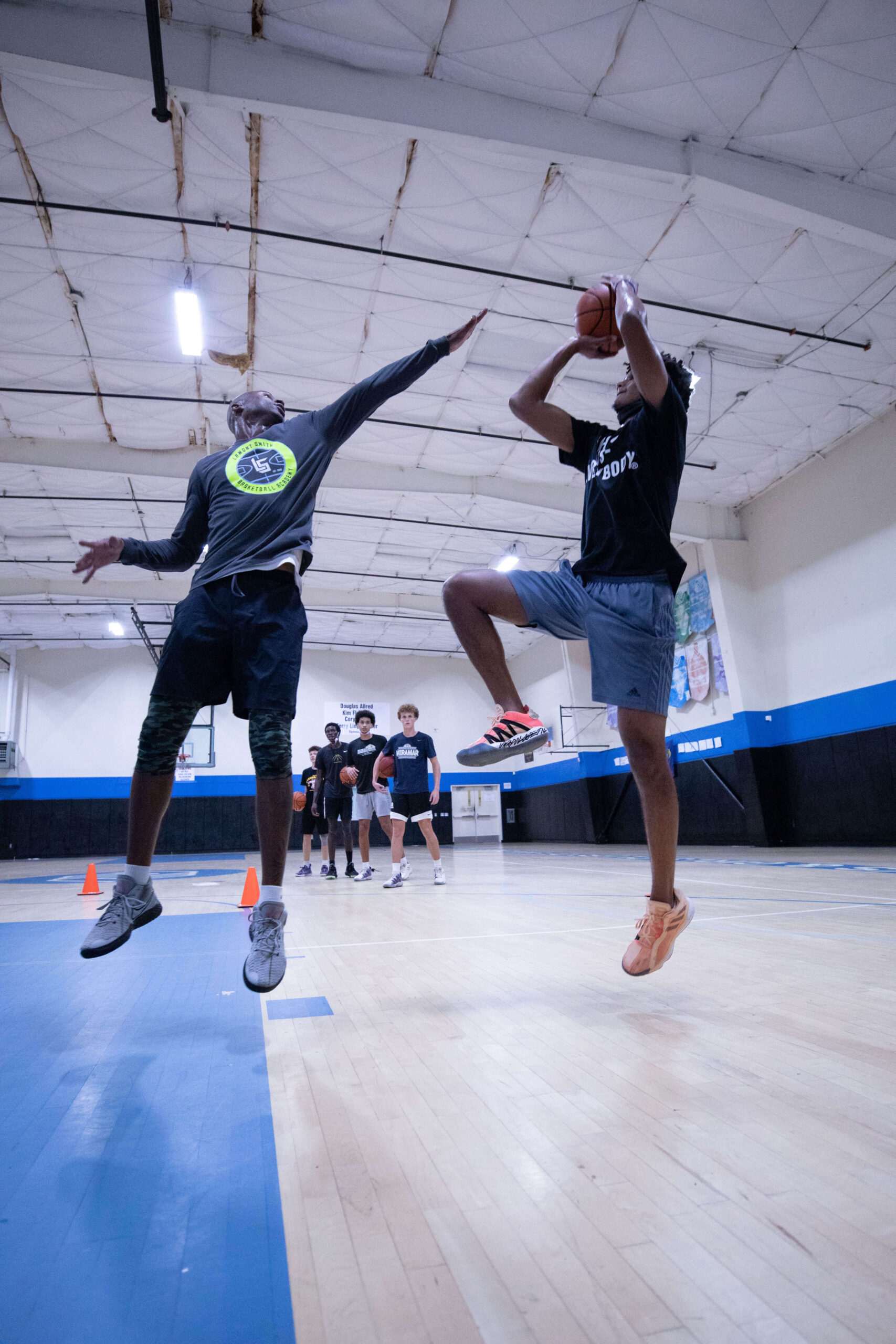
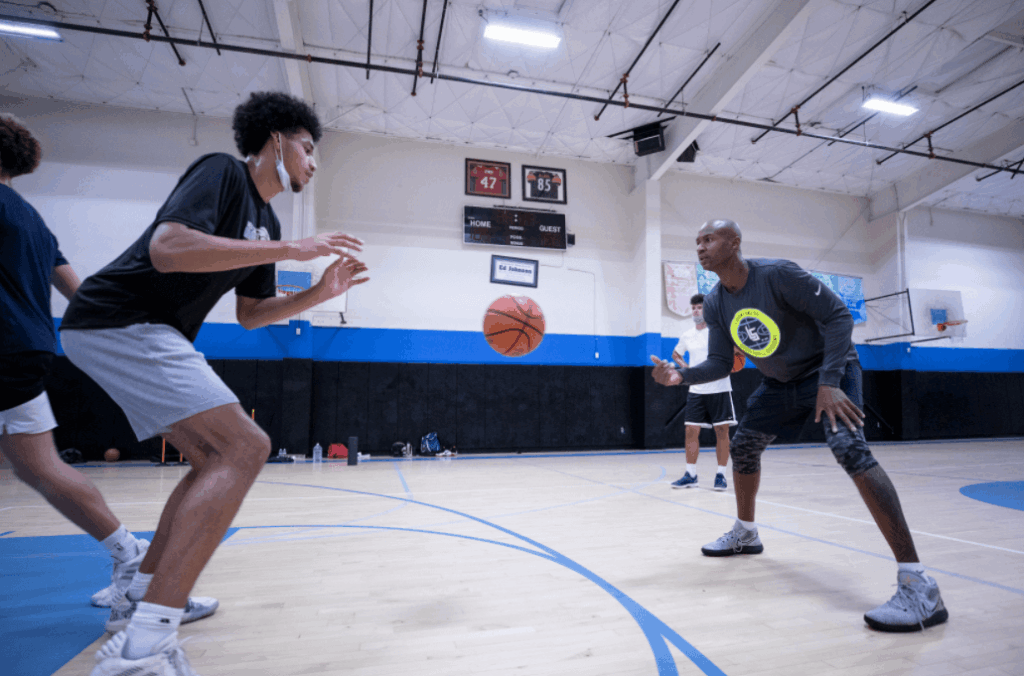
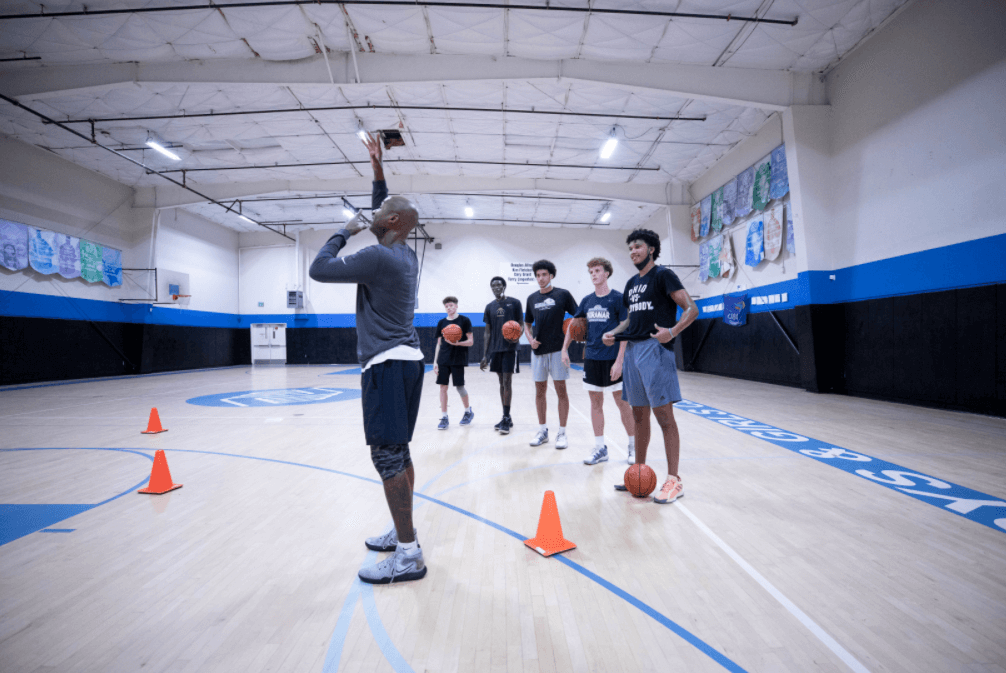
San Diego has no shortage of basketball options. Public rec leagues, school programs, private training, weekend tournaments, and club teams all compete for families' time and money. That abundance is useful, but it also makes the search harder. Parents often start by looking at wins, social media clips, or tournament schedules. Players usually look at uniforms, gym locations, and whether their friends are already on a roster. Those details matter, but they rarely tell you how a team operates when practice gets difficult, roles tighten, or a close game turns in the fourth quarter.
That is where teamwork and discipline separate one program from another.
The strongest basketball club teams in San Diego do not build around highlight plays alone. They build habits. They teach athletes how to defend when tired, how to communicate after a mistake, how to accept a smaller role without disengaging, and how to practice with intent even when no one is watching from the bleachers. Those qualities do not always show up in a flashy mix tape, but they are the traits that help young players improve, stay coachable, and contribute over time.
Families who understand that usually make better long-term decisions. Instead of chasing the team with the biggest weekend trophy haul, they look for a program that develops both skill and standards. In club basketball, that difference can shape not just a season, but a player's entire relationship with the game.
What teamwork really looks like in a club setting
Teamwork is one of the most overused words in youth sports. Nearly every program mentions it. Far fewer define it clearly, and fewer still teach it with consistency.
On a well-run club team, teamwork is not reduced to passing the ball or cheering from the bench. It shows up in spacing, timing, help defense, and body language. It means a guard rotates to tag a cutter without being told. It means a post player sprints into a screen even if she knows the next shot will go to someone else. It means a wing who just came out of the game still tracks the opponent's set and shares what he sees with teammates.
In San Diego, where players often come from different schools, neighborhoods, and basketball backgrounds, that kind of cohesion does not happen automatically. Club rosters can bring together athletes who have never played with one another before. One player may come from a disciplined school system that emphasizes shell defense and half-court execution. Another may come from a looser environment where pace and creativity drive everything. Both can be talented. The challenge is teaching them to operate with shared standards.
Good coaches do this through repetition and clarity. They do not just yell "move the ball" or "talk on defense." They stop practice and explain what effective communication sounds like. They show where the second pass should go when a trap comes. They teach the difference between helping early and helping recklessly. Over time, players stop reacting as individuals and start functioning as a unit.
That change is often visible long before a team becomes dominant. You can spot it in transition defense. You can hear it during dead balls. You can see it when a player misses a box-out and a teammate corrects the issue without drama. Teams that understand collective responsibility tend to recover faster from mistakes because they are not wasting energy assigning blame.
Why discipline matters more than talent at younger ages
Talent matters, of course. Some players are quicker, longer, more coordinated, or more naturally confident than others. But in club basketball, especially from late elementary through high school, discipline usually determines who improves and who stalls.
Discipline begins with simple things. Players arrive on time. They bring the right gear. They warm up properly instead of drifting into the gym half-focused. They listen the first time instructions are given. They finish drills at game speed. None of that is glamorous, yet those habits create the conditions for actual development.
In Basketball Club Teams San Diego families often compare rosters by size, athleticism, or tournament placement. That is understandable. Still, disciplined environments often produce the better outcomes, especially over two or three years. A less naturally https://devinoilo127.cavandoragh.org/elite-training-programs-offered-by-basketball-club-teams-in-san-diego gifted player in a structured program frequently passes a more talented player who bounces between teams, avoids hard coaching, or only engages when the offense runs through them.
Discipline also protects players from one of the most common youth basketball problems, confusing activity with progress. A player can attend multiple trainings each week, play two games every weekend, and still develop bad habits if no one is holding them accountable. Taking 300 shots is not automatically useful if the footwork is sloppy, the balance is poor, and the shot selection would never hold up in real games. Working hard is valuable. Working hard in the right direction is what matters.
The best club coaches understand this balance. They push intensity, but they also insist on details. Closeouts have to be under control. Cuts need timing. Screens need angles. Free throws have a routine. Film sessions, if a team uses them, focus on decisions and positioning, not just made shots. Discipline gives structure to ambition.
The San Diego factor
San Diego has its own basketball rhythm. Geography alone affects club basketball here. Families often drive significant distances for practices, training, and tournaments. A player from North County may practice with teammates who live in central San Diego or the South Bay. Travel time can add stress, especially for multi-child families trying to balance school, work, and other sports.
That practical reality makes culture even more important. When families are investing hours on the road and weekends in gyms, they need to know the program is worth the commitment. A disciplined team respects time. Practices start with purpose. Communication is clear. Expectations are consistent. Coaches do not improvise every week because they failed to plan. Parents may still sacrifice a lot, but they can at least see a return in structure and growth.
San Diego's year-round climate adds another wrinkle. Athletes here often have more options than players in colder regions. Beach days, other sports, family trips, and outdoor activities are part of life. That can be healthy. It can also make consistency harder. Club teams that emphasize discipline help players manage those competing demands. They set attendance standards, define off-season expectations, and make it clear that commitment means more than showing up when convenient.
There is also a broad range of competition in the area. Some teams are highly developmental. Others are more selective and results-driven. Neither approach is automatically better. The right fit depends on the athlete. What families should examine is whether the team can explain its purpose honestly. A development-focused program should not pretend every player is on an elite recruiting track. A high-level team should not claim equal game minutes for all if that is not realistic. Discipline in a program starts with truthful communication.
How coaches build discipline without crushing confidence
One of the hardest jobs in youth basketball is correcting players firmly while keeping them engaged. Too much softness and standards slip. Too much negativity and players stop taking healthy risks.
Experienced coaches know the difference between discipline and intimidation. Discipline is specific. It tells a player what needs to change and why. It links correction to team goals. Intimidation is vague, emotional, and often public in the wrong way. It may produce short-term compliance, but it rarely produces long-term growth.
A strong club practice usually has a clear emotional tone. Players know they are expected to compete. They also know mistakes will be coached, not weaponized. A point guard who turns the ball over trying to split a trap might be told to hit the safety outlet earlier and keep a lower dribble. That is useful. Being shouted down with no teaching attached is not.
This matters especially for middle school and early high school players, when confidence can swing wildly. One poor tournament weekend can make a young athlete question everything. Good coaches keep standards high while helping players understand that development is uneven. Footwork may improve before finishing does. Defensive instincts may sharpen before the box score reflects it. A player may need a full season to learn how to contribute without dominating the ball.
The teams that keep players growing through those stretches are usually the teams with the healthiest blend of accountability and support.
Signs a club team truly values teamwork
Many programs advertise character. The real test is whether daily habits support it. Families watching a practice can learn a lot in one hour if they know what to look for.
Here are a few reliable signs:
- Players communicate with one another without waiting for the coach to initiate every exchange.
- Drills include decision-making, not just isolated skill work with no game context.
- Coaches correct role players and star players with similar honesty.
- Bench behavior reflects engagement, not sulking or side conversations.
- The offense creates reads and shared responsibility, instead of one player dominating every possession.
None of these signs guarantees a perfect experience. Youth sports are messy, and every team has difficult weeks. Still, when these patterns are present consistently, teamwork is usually part of the foundation rather than part of the marketing.
What discipline looks like for parents, too
Club basketball conversations often center on players and coaches, but parents shape the environment more than many realize. In fact, some of the best team cultures fall apart when the adults around the program refuse to support shared standards.
Parental discipline is less talked about, yet it matters. It means arriving on time instead of normalizing late entrances. It means not undercutting a coach's message in the car ride home after every game. It means letting a child sit with disappointment instead of immediately blaming minutes, referees, or teammates. It also means asking better questions.
A helpful question after a game is, "What did you notice about your decision-making today?" A less helpful one is, "Why didn't they run more plays for you?" The first builds reflection. The second feeds entitlement.
In San Diego's club scene, where families may encounter multiple teams, trainers, and opinions in a short span, there is a temptation to switch programs quickly at the first frustration. Sometimes a move is justified. Poor communication, broken promises, or unsafe coaching should never be ignored. But sometimes discomfort is part of growth. A player adjusting to stronger competition or a reduced offensive role may actually be in the right place.
The key is to distinguish between harmful environments and demanding ones. Demanding teams ask for effort, accountability, and patience. Harmful teams humiliate players, communicate poorly, or make development secondary to optics. Those are not the same thing.
The role question, and why it tests culture
Nothing reveals the truth about a team faster than role definition. Most players want to start. Most want the ball more. Most believe they can do a little more than they are currently asked to do. That is normal. The issue is how a team handles those tensions.
On disciplined club teams, roles are discussed in realistic terms. A coach might tell a player, "Right now, we need your rebounding and perimeter defense. If your handle tightens and your reads improve, more on-ball opportunities can come." That gives the athlete a path. It links responsibility to development rather than status.
On weaker teams, role conversations become inconsistent or avoidant. Coaches make vague promises. Players hear different messages from game to game. Frustration builds, and teamwork erodes because athletes start playing for proof rather than for the group.
This is especially common in high-level weekend tournaments. A player may press because college exposure is on their mind. Another may force shots because they fear reduced minutes the next game. Teams grounded in discipline can survive those moments. Their players know that one rushed possession or one quiet half does not define their value. That steadiness is hard earned. It usually comes from months of direct communication.
Skill development still matters, but context matters more
No one joins a club team just to become more organized. Players want to improve. They want to dribble better, shoot better, defend better, and perform better in games. Teamwork and discipline are not substitutes for skill. They are the frame that allows skill to translate.
A shooter, for example, may look excellent in solo workouts. In games, that same shooter has to sprint into space, set their feet under pressure, read a closeout, and relocate after the first pass. Without team concepts and disciplined repetition, the workout shot and the game shot remain disconnected.
The same applies to ball handling. Fancy handles can impress in open gym runs. In serious club play, guards have to manage pace, protect the ball against traps, enter the offense on time, and understand when not to overdribble. Team-oriented programs teach those decisions alongside the skill itself.
Families searching for Basketball Club Teams San Diego options should pay attention to whether the program connects training to game demands. The strongest environments do not isolate player development from team development. They understand that the point of skill work is not performance theater. It is function.
Choosing the right team for the right player
There is no universal best fit, only better fits for certain stages and personalities. A highly self-motivated player may thrive with a tougher coach and a narrower role because the standards push them. Another player may need a more developmental environment first, where confidence and fundamentals can stabilize before they step into heavier competition.
A practical evaluation should include more than one question. Families should consider the coach's communication style, the level of roster depth, expected travel, practice structure, and whether the athlete's current needs match the program's emphasis. A player who needs reps and confidence may not benefit from joining the deepest roster in the region just for the logo. At the same time, a player who is coasting as the best athlete on a weaker team may need stronger competition and stricter accountability.
A useful framework is this:
- Ask what the program emphasizes most over the next twelve months.
- Watch at least one practice, not just games.
- Clarify expectations around attendance, playing time, and off-court communication.
- Evaluate whether your child responds well to the coaching style you observe.
- Look for evidence of improvement in returning players, not just current win totals.
Those conversations often reveal more than a tournament championship ever could.
When teamwork and discipline pay off
The payoff does not always arrive in dramatic fashion. Sometimes it looks small at first. A team cuts down live-ball turnovers over the course of a month. A bench becomes louder and more connected. A player who used to hang their head after a missed shot now sprints back on defense. Those changes matter because they tend to compound.
Later, the bigger results often follow. Teams execute better late in games. Players trust each other under pressure. Coaches can install more advanced actions because the group listens and retains information. Athletes carry those habits into school seasons and, for some, into college environments where self-management becomes even more important.
Even for players who never pursue the sport beyond high school, the lessons stick. Showing up prepared, accepting feedback, doing difficult work that does not always earn immediate recognition, all of that transfers beyond basketball. That is one reason the right club experience can be so valuable. It is not valuable because it is expensive or selective. It is valuable when it teaches standards that hold under stress.
San Diego offers many paths in youth basketball, and that can be a strength if families stay clear about what matters. Club teams built around teamwork and discipline may not always be the loudest programs in the gym. They are often the steadier ones. Their players tend to improve in visible and less visible ways. Their games make sense. Their practices have direction. Their culture is strong enough to handle competition, adversity, and growth without losing itself.
For players who want more than highlights, and for families who want more than a busy schedule, that kind of team is worth seeking out.
Lamont Smith Basketball Academy
888 Clairemont Mesa Blvd Suite T-2, San Diego, CA 92123
(619) 639-8778
FAQ About Basketball Club Teams San Diego
How can a player join an LSBA club team?
Players are evaluated during practices so the coaching staff can recommend an appropriate team and development level. Families should contact the academy to confirm current openings and evaluation details.
Are club teams available for newer basketball players?
Yes. LSBA describes multiple levels, including a developmental option for newer players as well as more competitive teams for athletes with prior club experience.
What do LSBA club team practices emphasize?
Practices emphasize basketball fundamentals, team defense, structure, communication, and player development. The specific focus may vary according to the team and experience level.
Do all LSBA teams travel?
Travel expectations vary by level. Some teams focus on local competition, while advanced teams may participate in tournaments elsewhere in Southern California or beyond. Families should confirm the current schedule before enrolling.